The Art of Giving Back: A Fine Art Fellowship Rooted in Talent, Trust, and Western Tradition
2026 Art of the Cowgirl Fine Art Fellowship
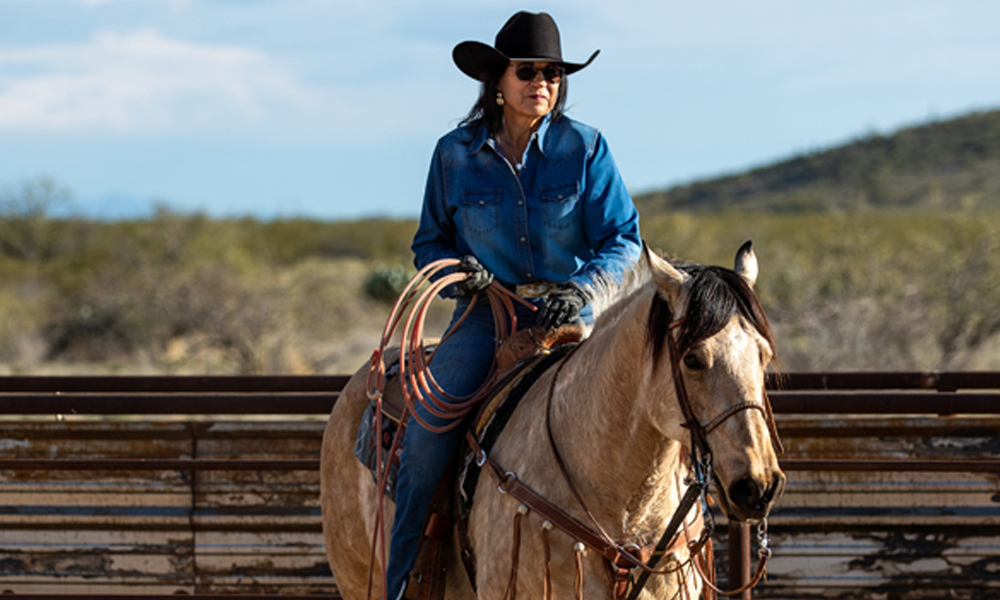
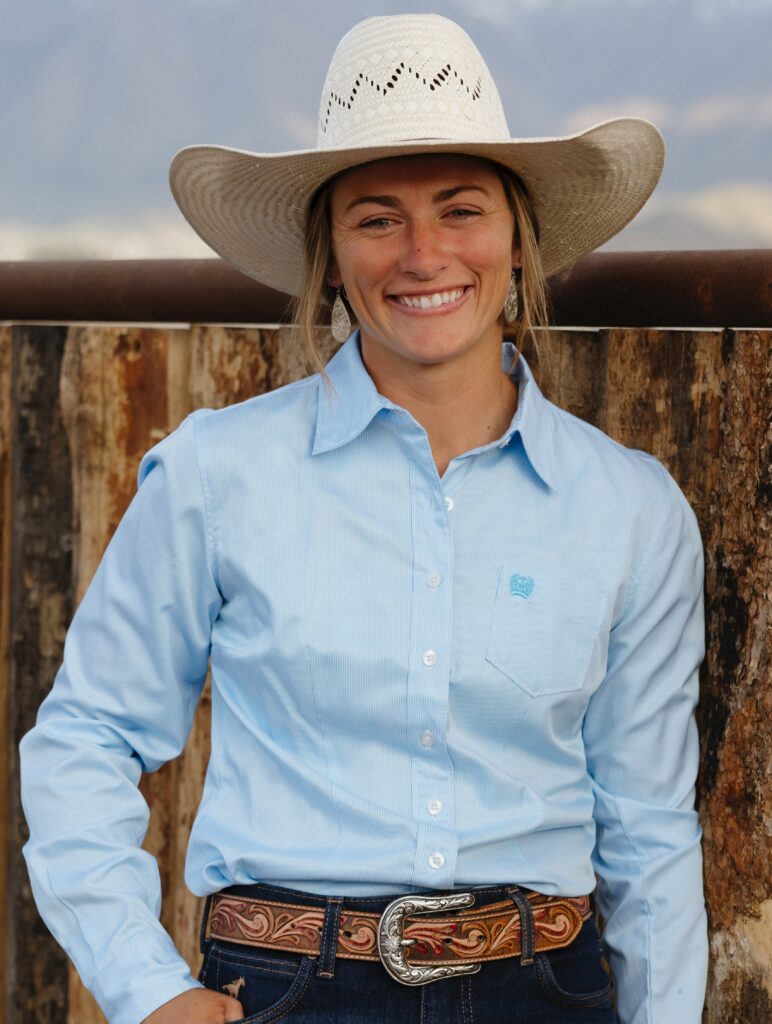
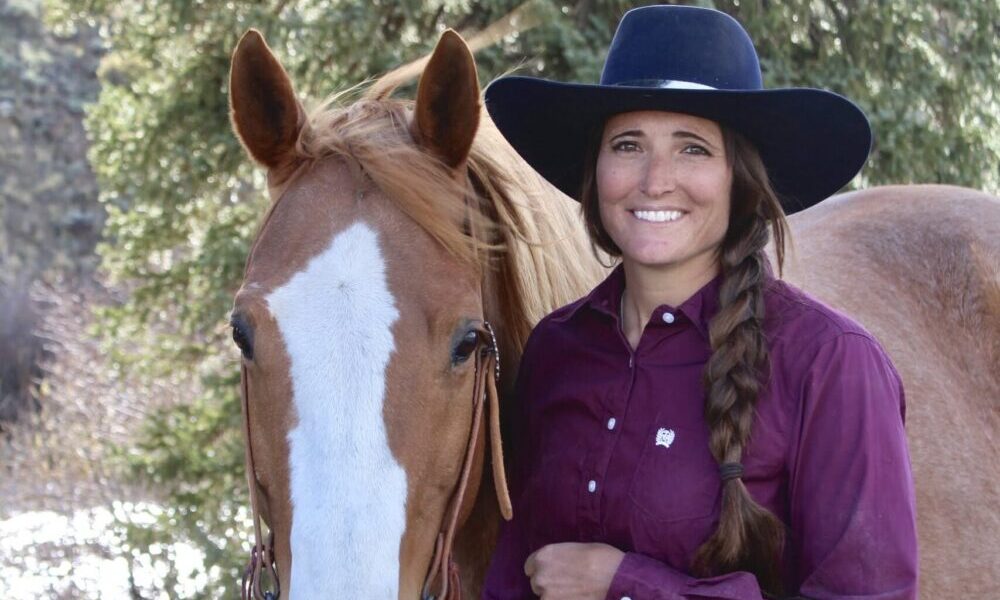
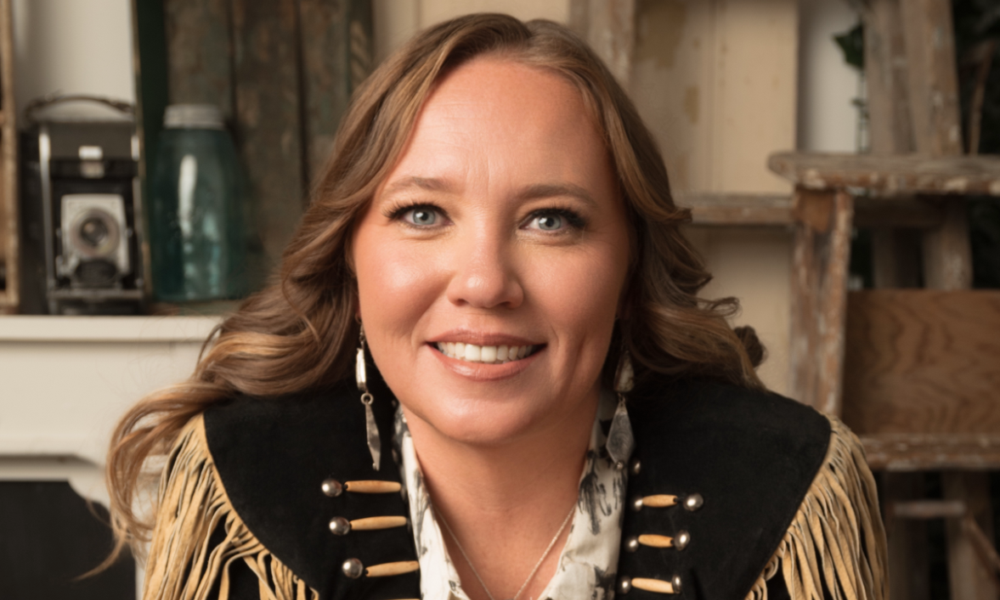
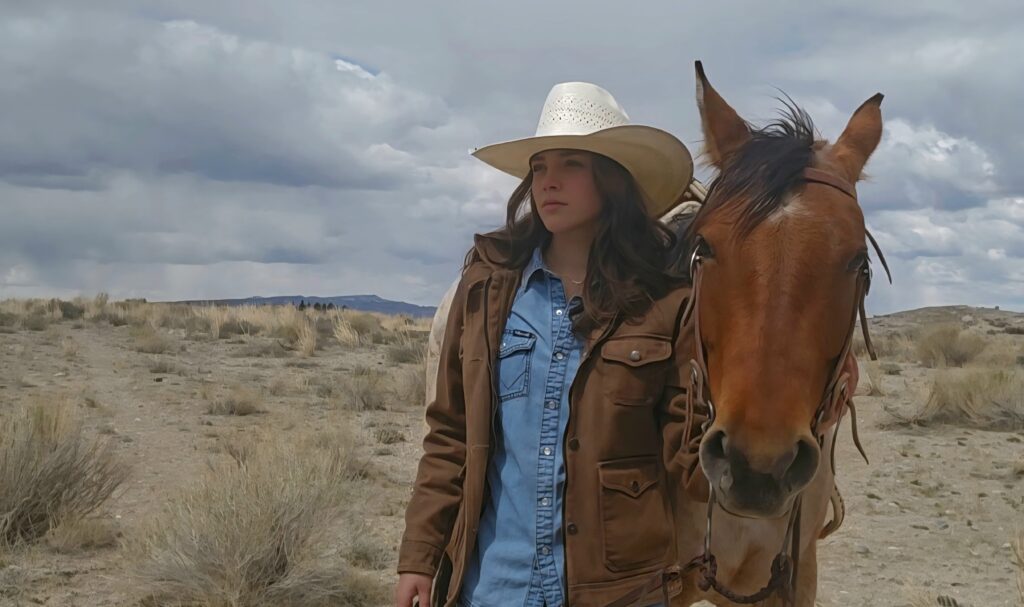
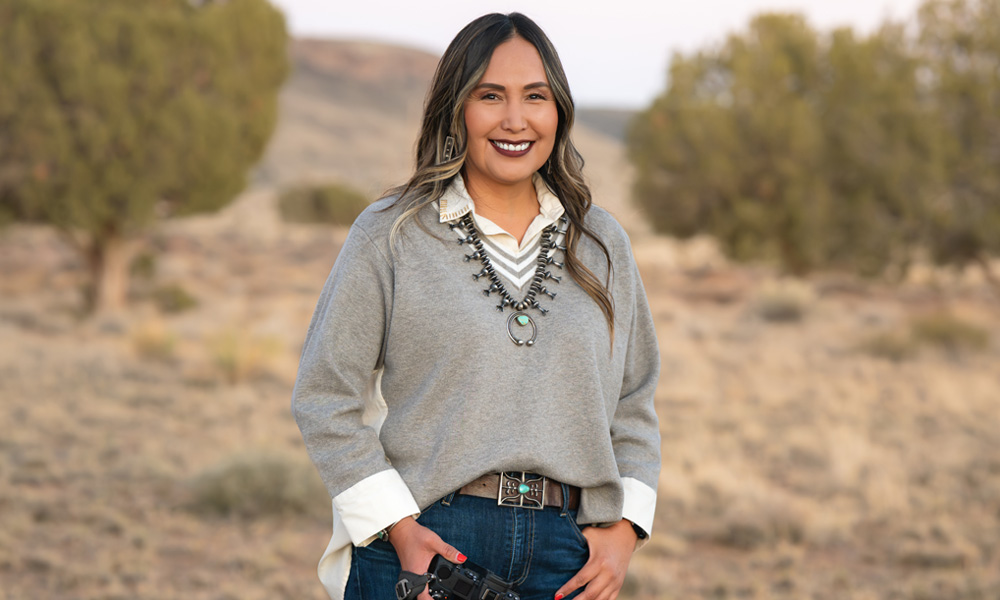
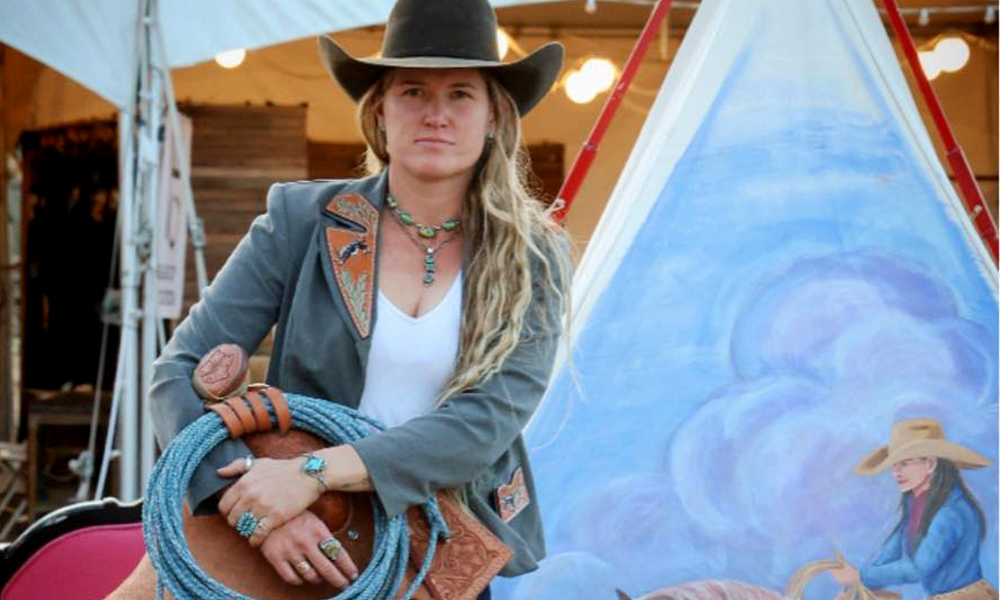
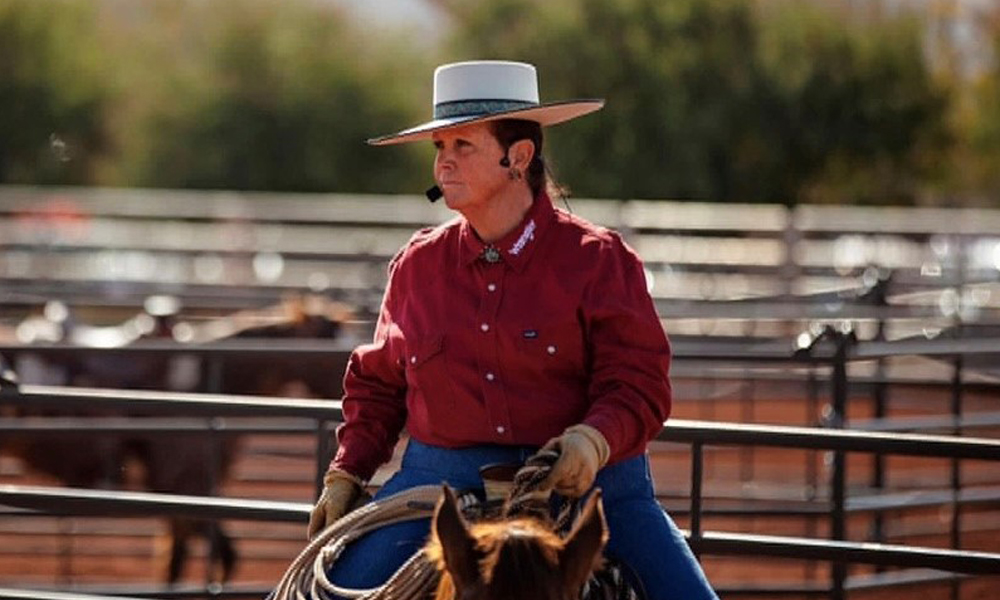
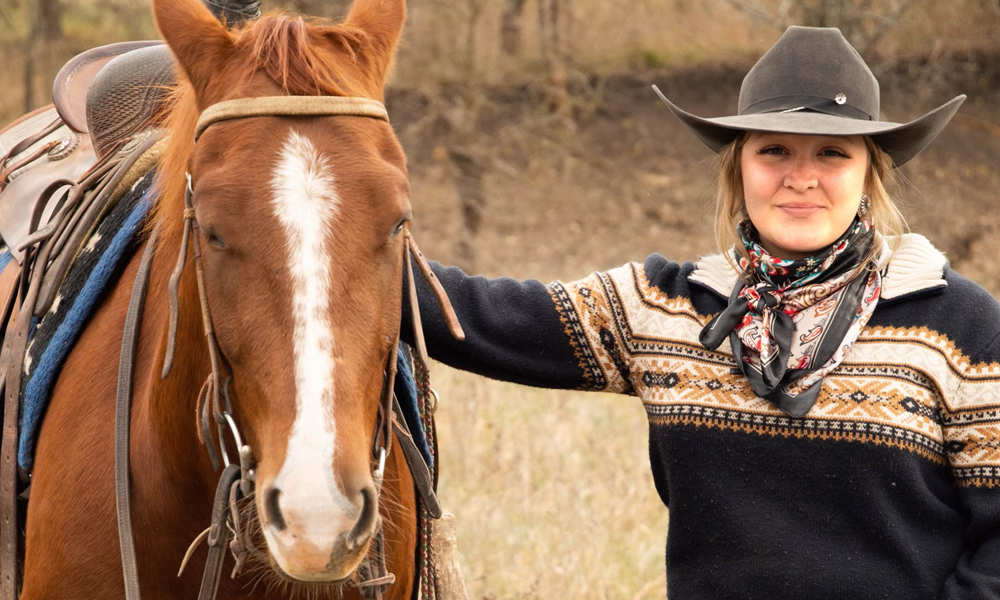
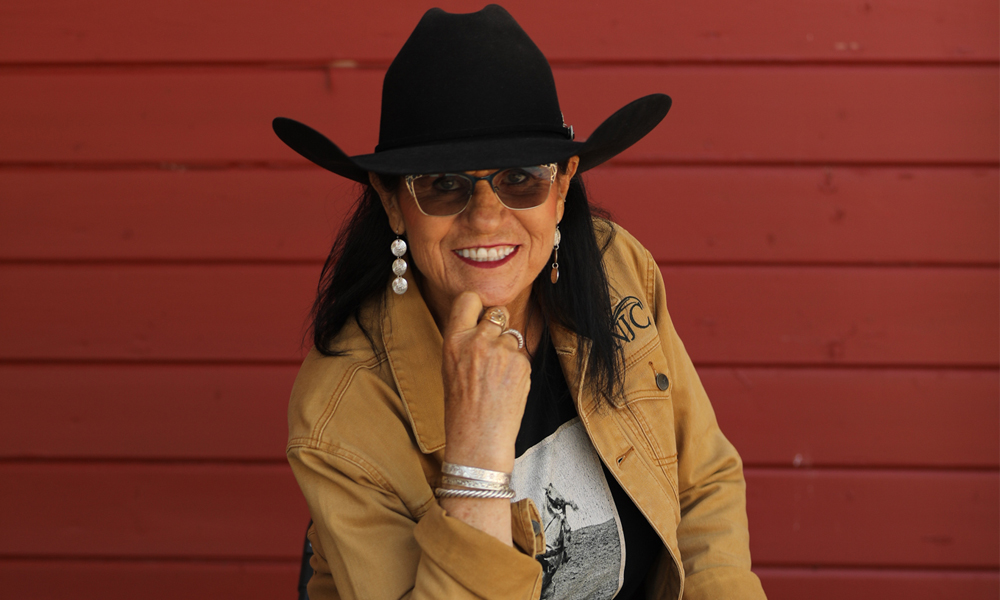
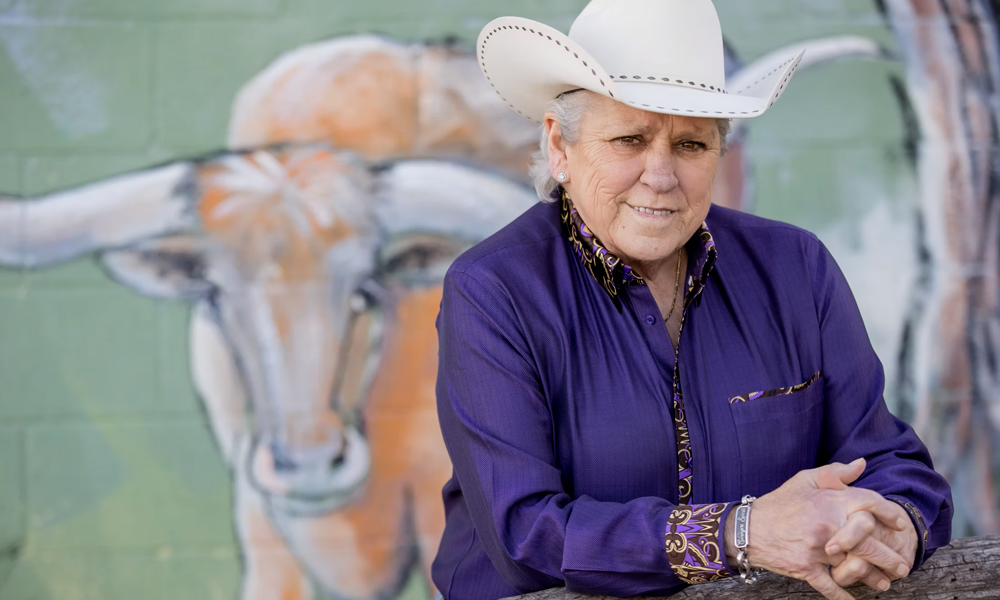
Master: Mary Ross Buchholz | Recipient: Jenni Stoll
There is something special about an artist who is willing to share not only the techniques behind their work, but also the lessons, struggles, and experiences that shaped their journey. It is a generosity that reaches far beyond the canvas, leaving an impression that can influence another artist for years to come.
For 2026 Art of the Cowgirl Fine Art Fellowship Master Mary Ross Buchholz and recipient Jenni Stoll, that spirit of generosity became the foundation of a meaningful week spent learning, creating, and discovering what might be possible. What unfolded in Mary’s Texas studio was more than an opportunity to improve artistic techniques. It was an experience that helped one young artist find the confidence to take the next step in her career, guided by a woman who understands the importance of helping others find their way.
When Jenni received the phone call informing her that she had been selected for the Fine Art Fellowship, she was having breakfast with her mother while attending a taxidermy show in Wyoming. She had kept her application a secret, not telling anyone she had even applied. Later that day, after earning her master’s designation at the show, she finally shared the exciting news with her family. For Jenni, the fellowship represented an opportunity she had been quietly hoping for.
Although she had found success creating commissioned artwork, Jenni felt herself longing for something more. She wanted to move beyond fulfilling requests and begin creating work that reflected her own artistic vision. She dreamed of developing a recognizable style and establishing herself within the Western fine art community, but the path forward wasn’t entirely clear.
“Beforehand, I felt very stuck,” Jenni shared. She admired artists like Mary, whose work had become recognizable through years of dedication and artistic development. Jenni knew where she wanted to go, but she wasn’t quite sure how to get there. The fellowship offered an opportunity to begin bridging that gap.
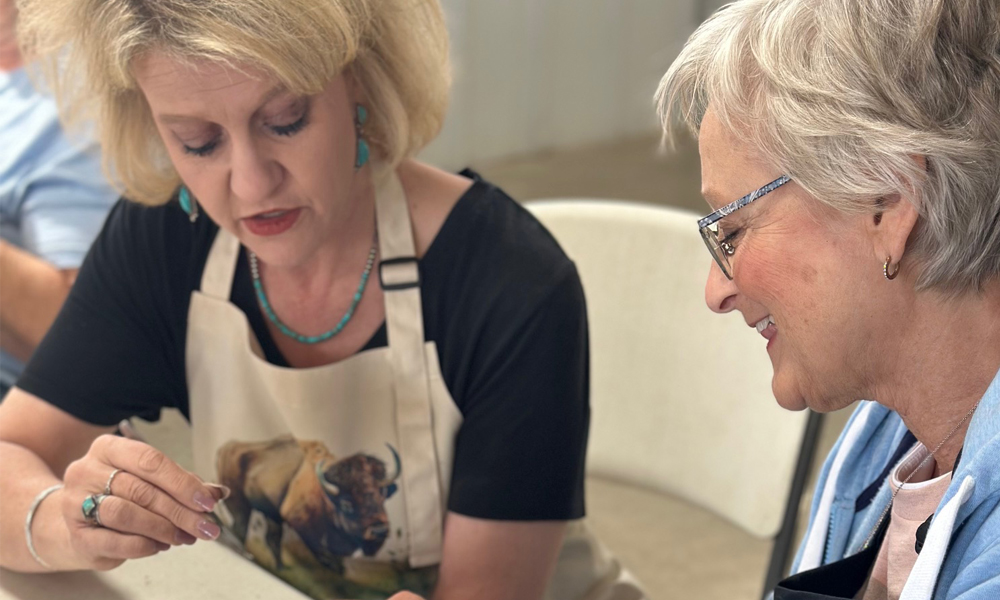
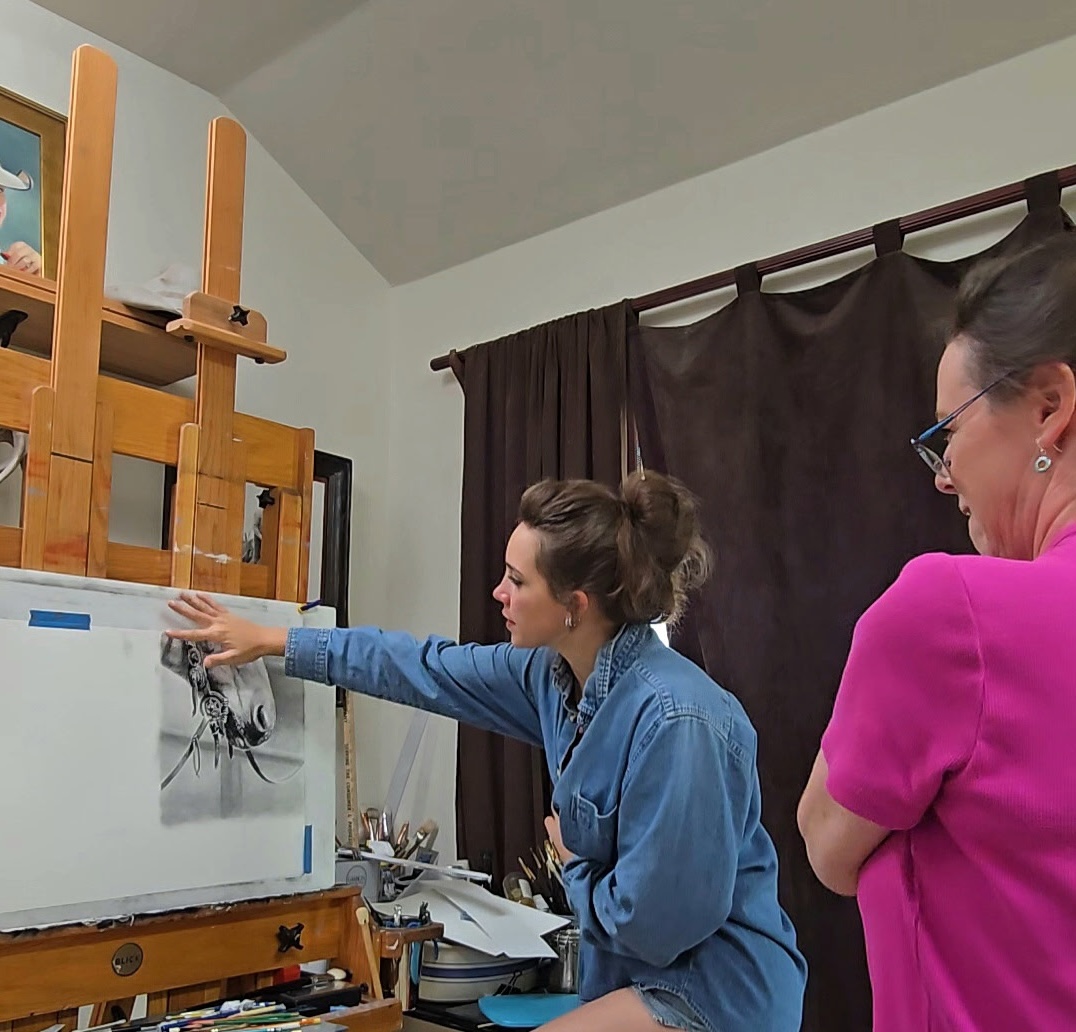
From the moment Jenni arrived in Texas, the two women seemed to find an easy connection. Their time together included hours of artistic instruction, meaningful conversations about the business of art, and opportunities to experience the Western art community firsthand. With Mary’s guidance, Jenni visited the Museum of Western Art in Kerrville, where she met established artists and gained a glimpse into the world she hoped to become part of.
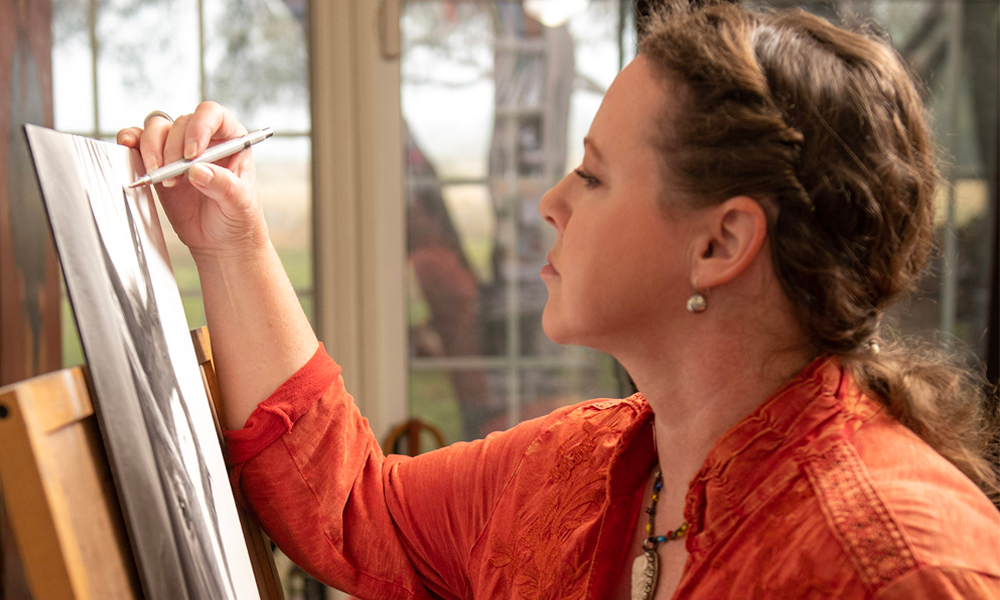
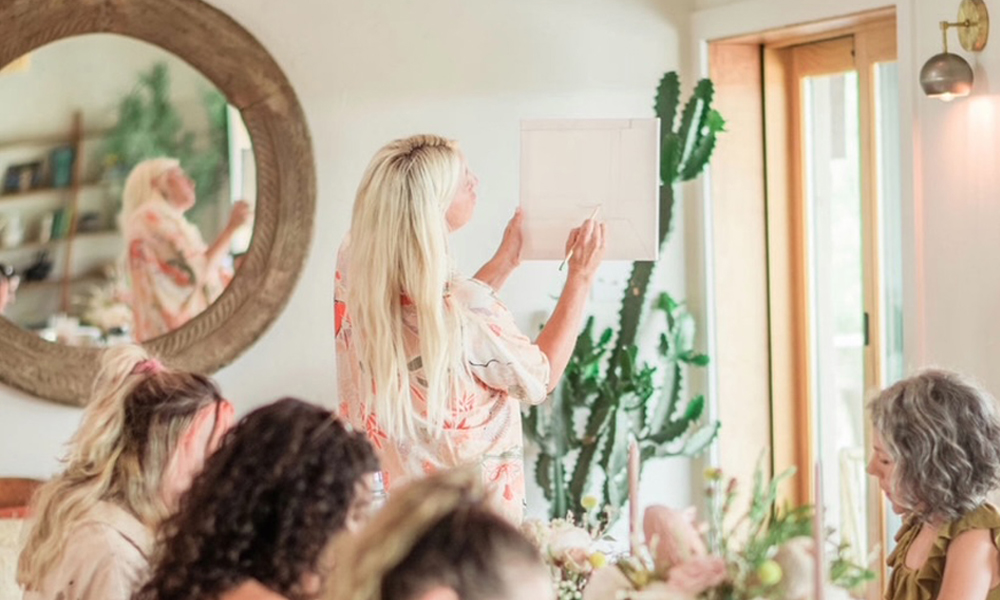
But some of the most valuable lessons came from the quieter moments inside Mary’s studio. Mary shared the tools and techniques she had spent years developing, including the importance of understanding value, creating contrast, and learning to control charcoal. Jenni learned to step away from her work frequently, studying it from a distance rather than becoming consumed by the details. She began experimenting with combining graphite and charcoal, creating softer transitions while improving the clarity and depth of her drawings.
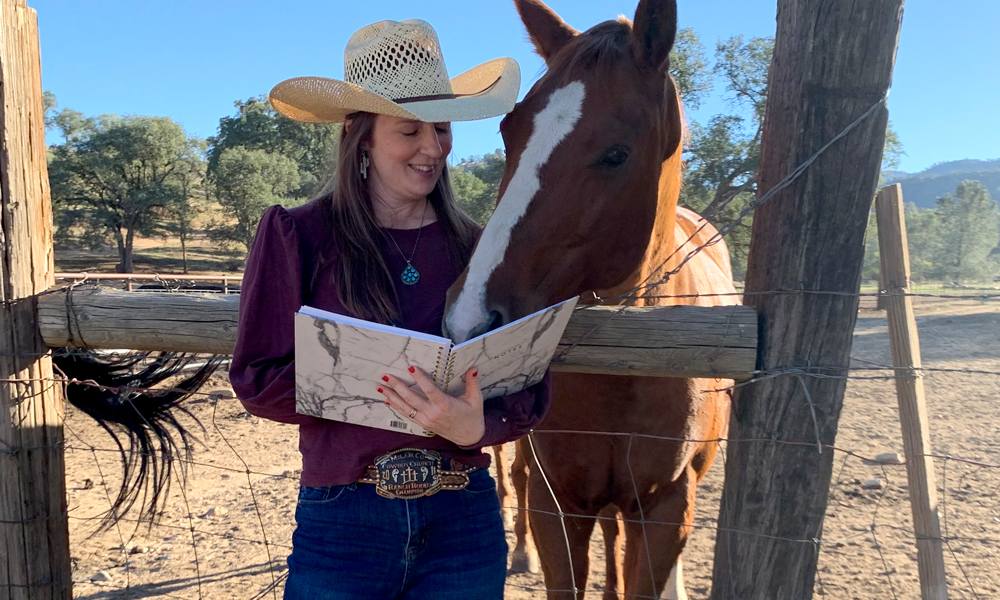
Jenni took photographs, filled pages with notes, and returned home eager to put everything into practice. While some of the adjustments might have seemed small, their impact was anything but. She could already see her artwork beginning to change, and, perhaps even more importantly, she could feel her confidence growing.
Although confident in many areas of life, Jenni admitted that believing in her own artwork had sometimes been a struggle. Working alongside an artist she respected brought a new perspective. Mary’s encouragement, willingness to share her knowledge, and genuine belief in Jenni’s abilities helped quiet some of those doubts.
“Her approval has really boosted my confidence,” Jenni shared, explaining how meaningful it was to receive encouragement from someone so established within the Western art community.
Mary saw something special in Jenni from the beginning. Beyond her natural drawing ability, she recognized a young woman with determination, curiosity, a strong work ethic, and a willingness to learn. To Mary, those qualities are just as important as artistic talent. She believes Jenni’s experience in taxidermy, combined with her artistic abilities, could open doors into other creative disciplines, including sculpture. More than anything, Mary sees potential for Jenni to grow into whatever kind of artist she chooses to become.
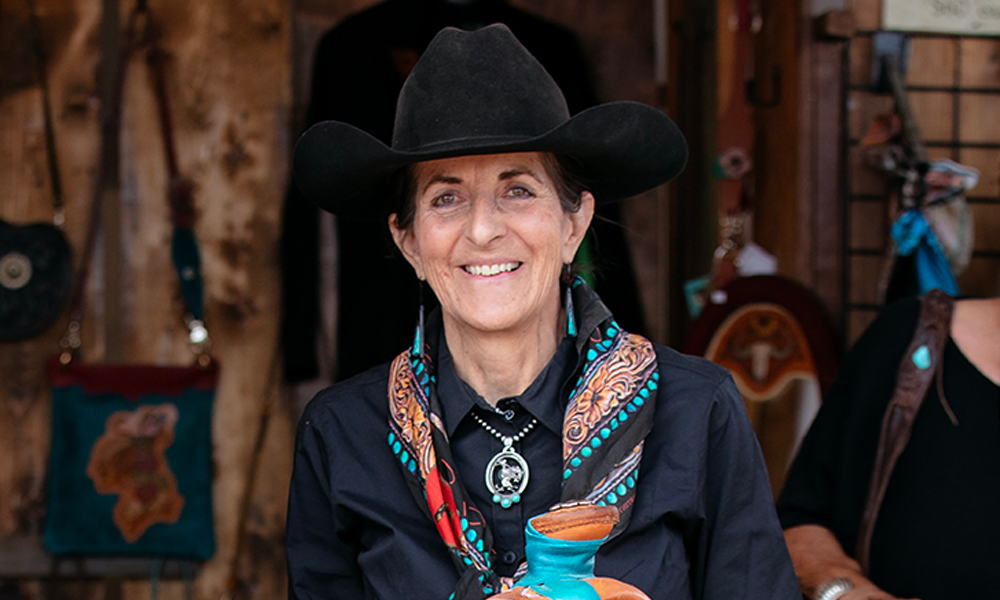
When asked why she chose to become a Fellowship Master, Mary’s answer reflected the heart of the Art of the Cowgirl mission. She believes knowledge is something meant to be shared, not guarded. Throughout her own artistic journey, Mary remembers searching through magazines, collecting information, and learning whatever she could from the resources available to her. She understands the challenges of building a career without always having someone to provide direction.
“I think it’s important for us to give back, especially to the younger generation,” Mary explained.
Rather than withholding the techniques and knowledge she has worked so hard to develop, Mary believes in sharing them openly. If her experiences can help another artist avoid unnecessary struggles or reach their goals a little sooner, she considers that a success.
Her philosophy extends beyond the studio. Growing up involved in 4-H, Mary remembers the volunteers and instructors who invested their time in helping her learn. Years later, she carried that same spirit forward, spending twelve years coaching her sons and their classmates in 4-H judging. Those experiences reinforced something she believes deeply: the knowledge we receive carries greater meaning when we choose to pass it along.
Whether through teaching a workshop, mentoring a young artist, volunteering within a community, or simply sharing the stories behind a piece of artwork, Mary believes there are countless ways to preserve the traditions that have shaped the Western way of life.
As Jenni looks toward the future, her goals are becoming clearer. She hopes to continue improving the quality and clarity of her artwork while developing a signature style that collectors and fellow artists will recognize as uniquely hers. She wants to build a community of people who genuinely connect with her work and follow her artistic journey. She is also setting her sights on additional growth opportunities, including plans to apply for a scholarship through the Buffalo Bill Center of the West in Cody, Wyoming.
Mary encourages that ambition while reminding Jenni that artistic growth is a lifelong journey. Throughout her own career, she has continued setting new goals, seeking fresh perspectives, and learning from other artists. Even after years of success, she believes there is always something new to discover. It is a lesson she hopes Jenni will carry with her, not simply to become a better artist, but to remain curious, open-minded, and willing to grow.
At its heart, the Art of the Cowgirl Fellowship Program was created to ensure that the knowledge, artistry, and traditions of the Western way of life continue to thrive through future generations. It is a vision rooted in founder Tammy Pate’s belief that investing in individuals strengthens the entire Western community.
For Mary Ross Buchholz and Jenni Stoll, that vision came to life through a week of shared experiences, meaningful conversations, and a genuine connection between two women who love Western art. Mary offered the wisdom of a career built through hard work, determination, and a willingness to continually learn. Jenni brought the excitement of someone ready to turn possibility into purpose.
And somewhere between the charcoal, the conversations, and the quiet encouragement inside a Texas studio, something meaningful took shape. Not simply a more confident artist, but a new chapter in a story that is still being written.
Because the greatest legacy an artist can leave isn’t always found in the work they create. Sometimes, it is found in the people they inspire to create something of their own.