THE QUIET BETWEEN HORSE AND HUMAN
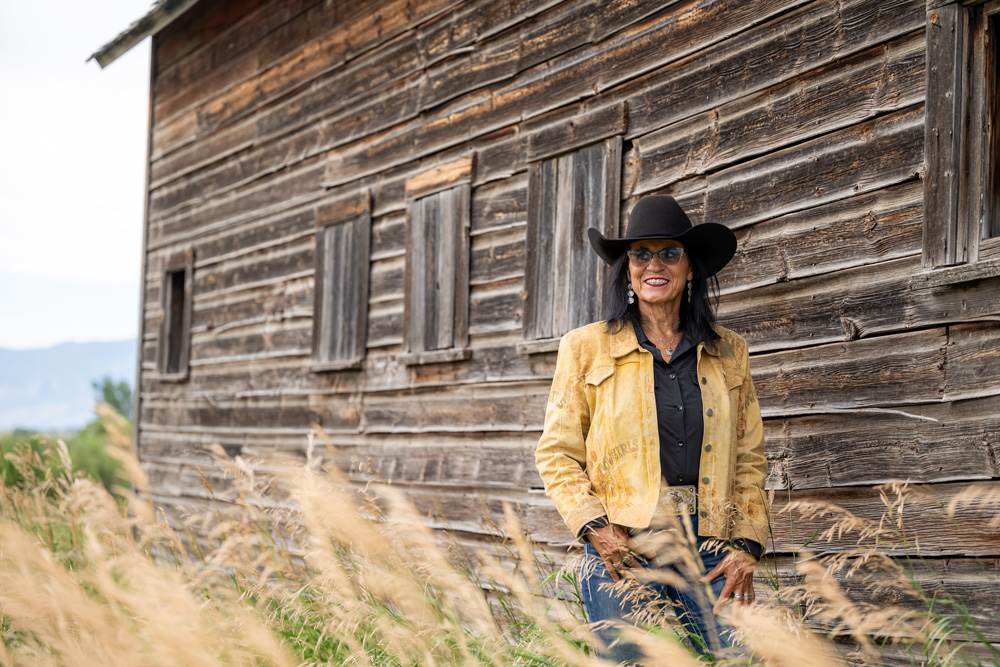
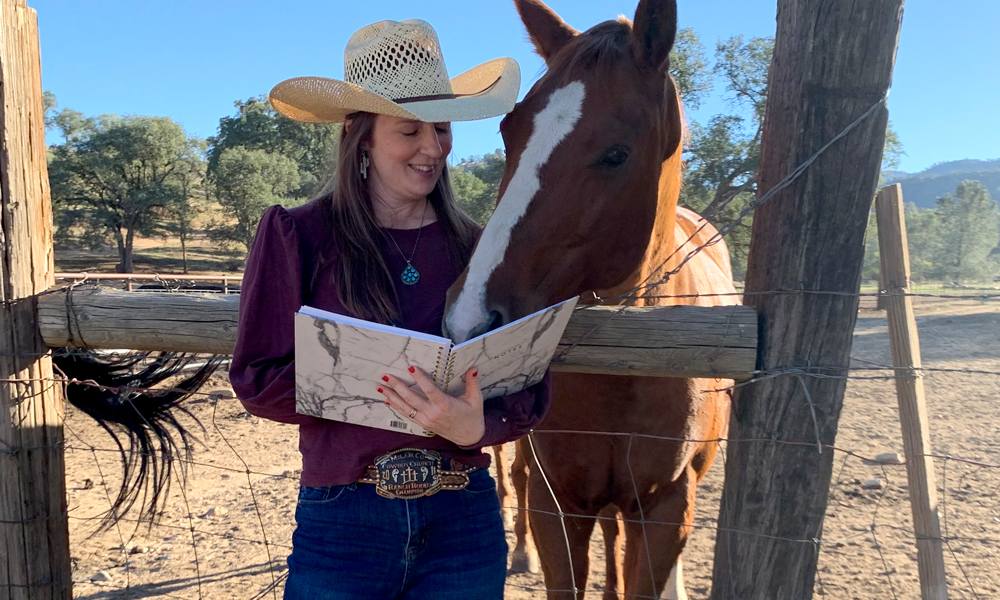
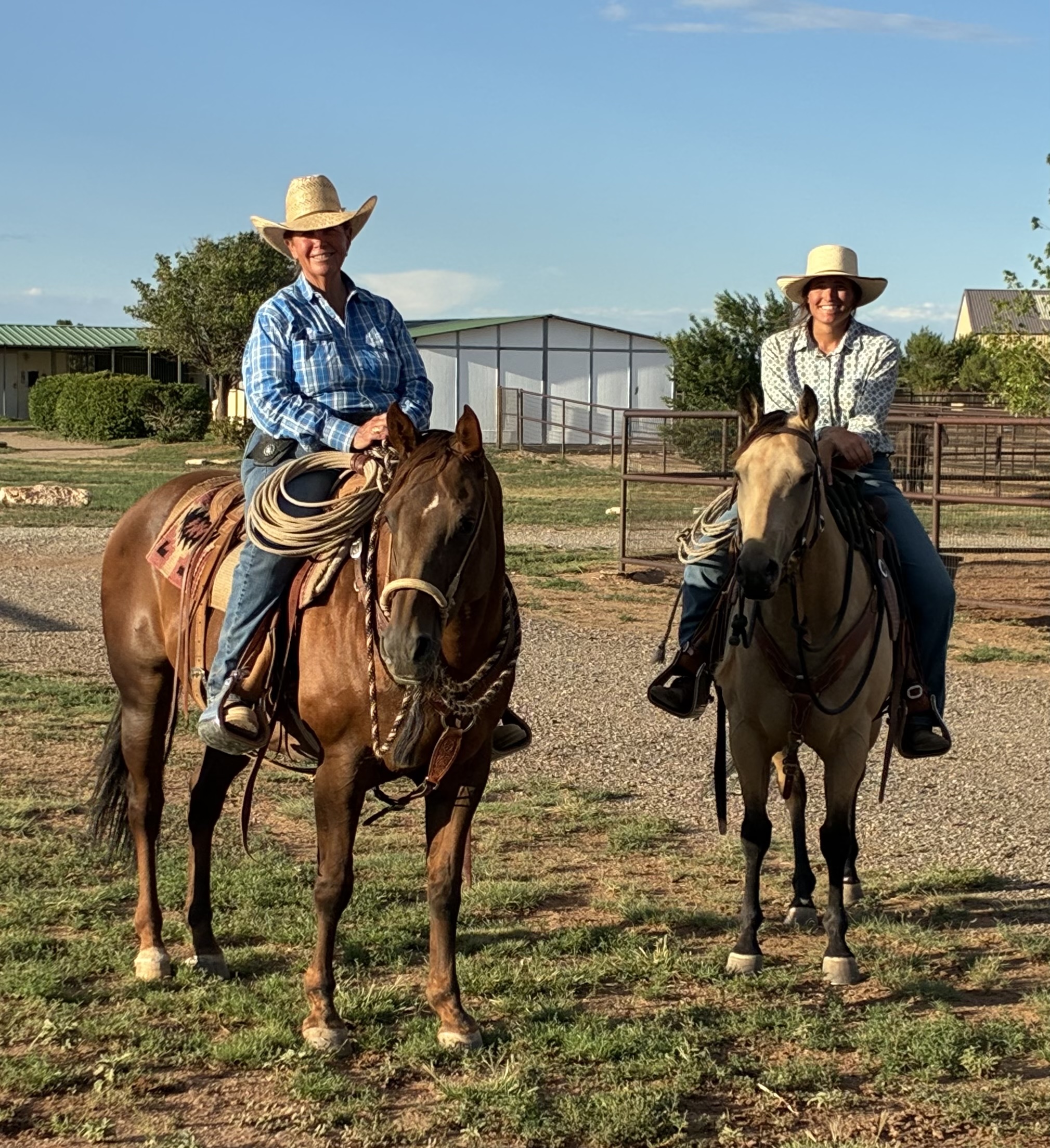
The 2026 Art of the Cowgirl Horsemanship Fellowship with Master Lee Smith and Recipient Lizzie Kanetsky
Sometimes the greatest change in horsemanship begins with doing less.
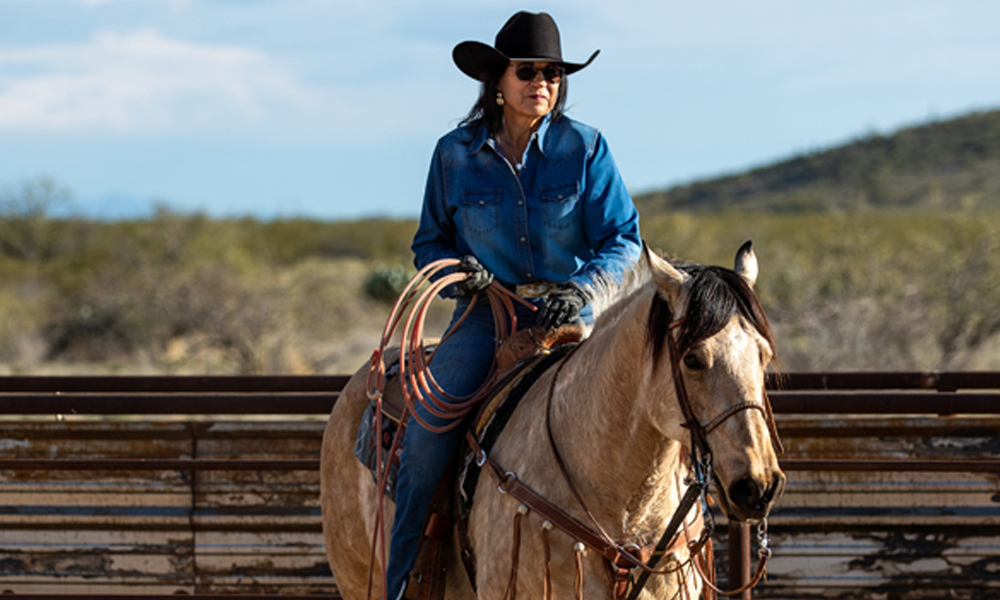
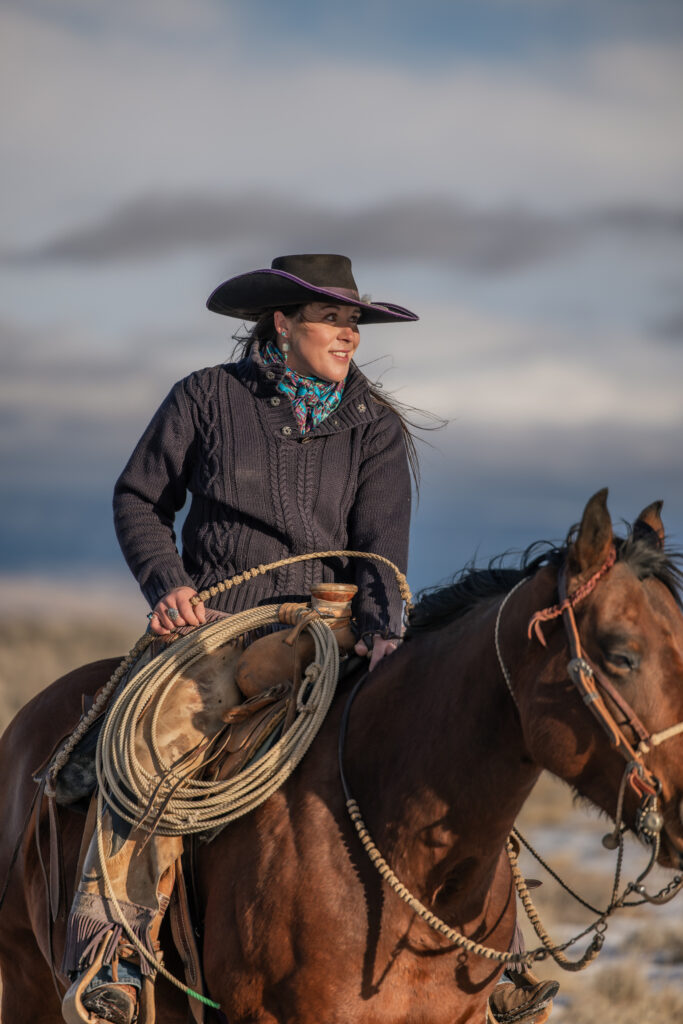
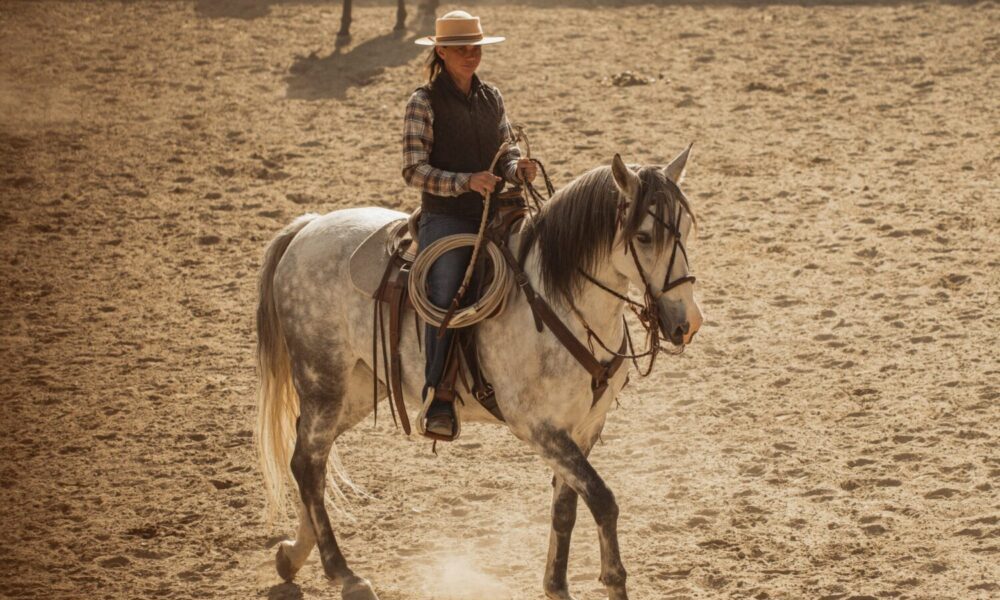
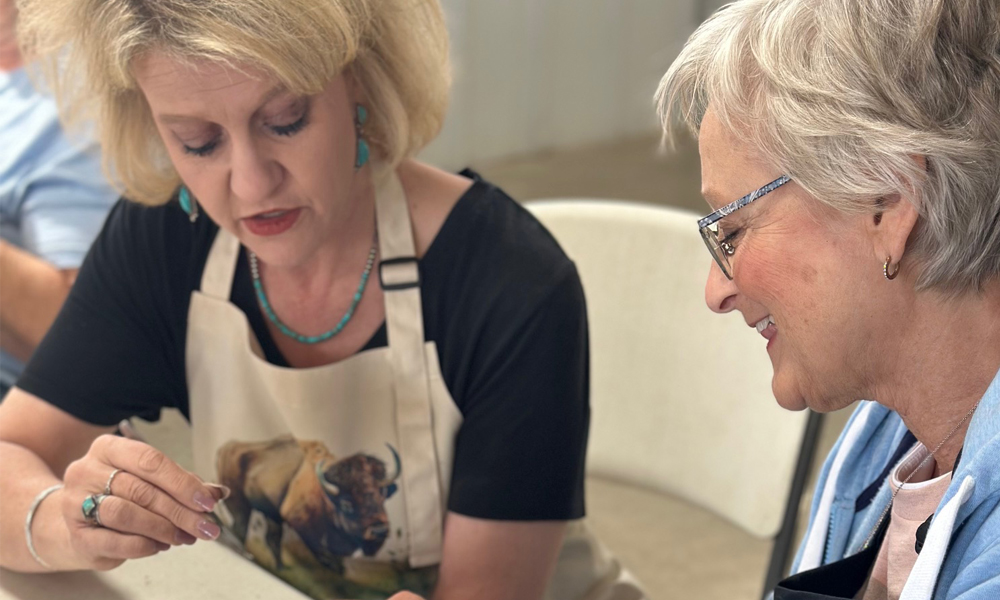
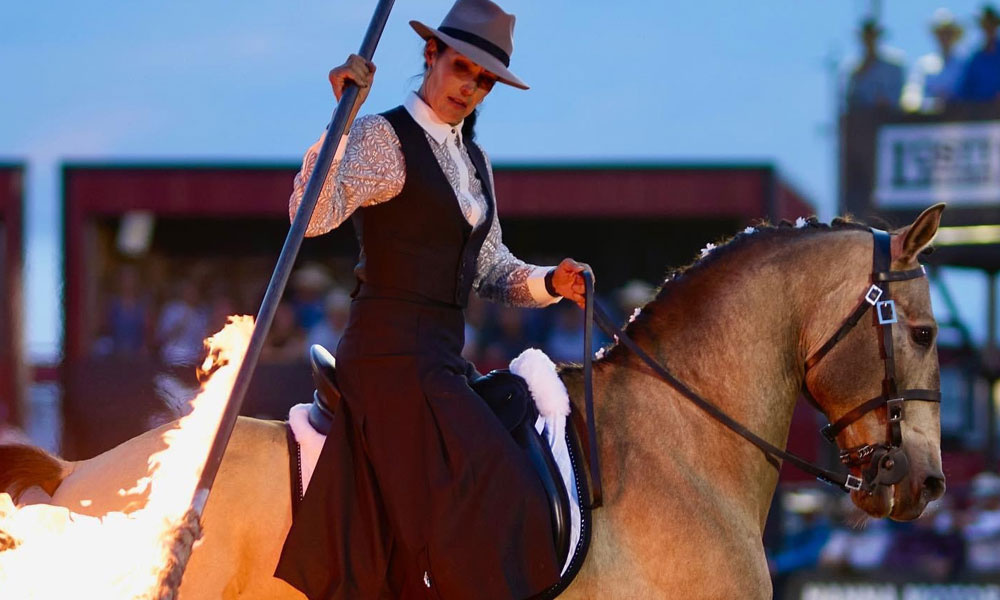
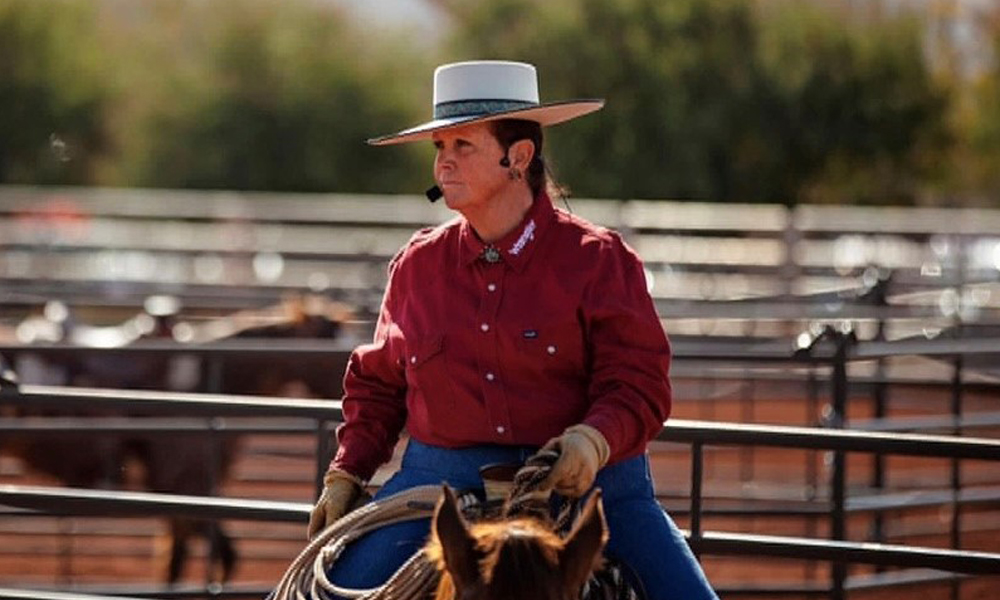
A shift of weight. The flick of an ear. A change in where a horse is looking. A breath. A moment of hesitation so small it would be easy to miss. During nearly two weeks together in August, 2026, Art of the Cowgirl Horsemanship Fellowship Master Lee Smith taught recipient Lizzie Kanetsky to notice those moments. Not to rush past them or demand more, but simply to listen a little closer.
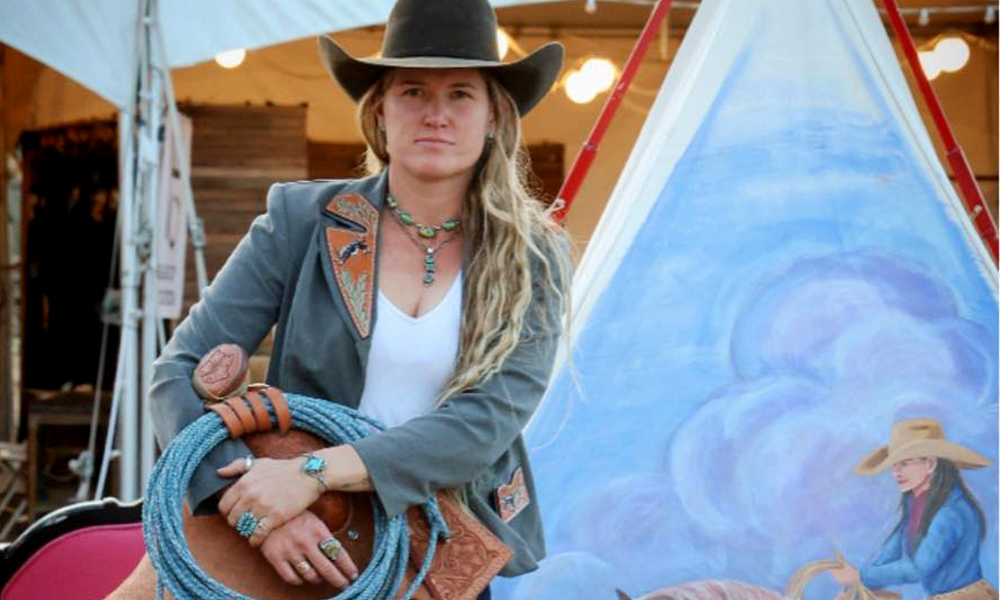
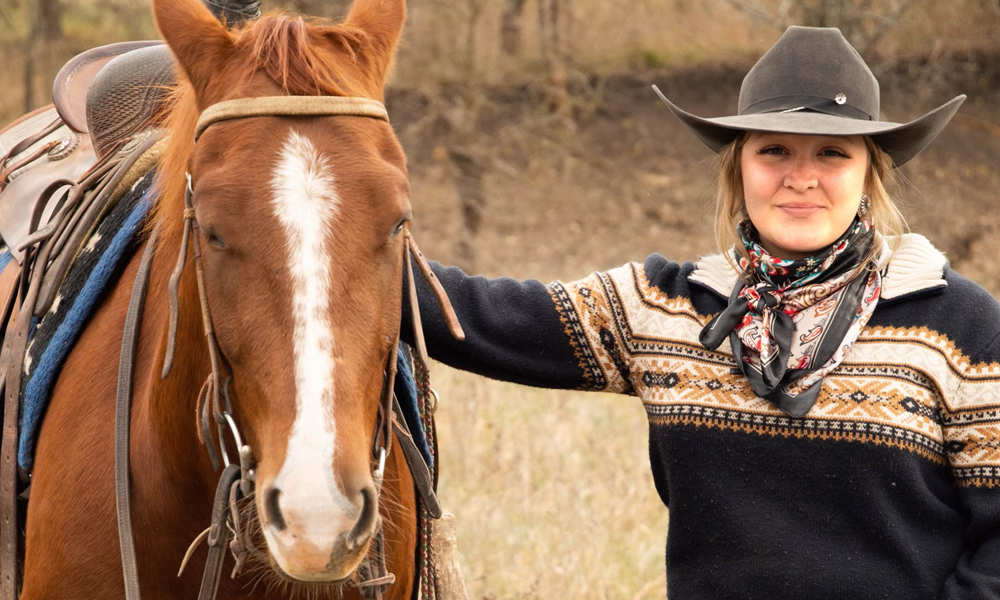
For Lizzie, that was exactly the kind of horsemanship she had hoped to find. She first encountered Lee at Art of the Cowgirl in 2024, when she sat in on one of her clinics. Their conversation afterward lasted only about ten minutes, but Lizzie never forgot it. Lee spoke about creating a thinking horse, about working together rather than simply asking a horse to comply. When Lizzie later learned Lee would serve as the 2026 Horsemanship Fellowship Master, there wasn’t much hesitation.
“I literally said to my boyfriend, ‘I’m applying, and I’m just praying I get it.’”
She did. And this August, the two spent their fellowship time exploring a kind of horsemanship that can be difficult to describe because so much of it lives in the space between obvious moments.
One of the moments Lizzie remembers most clearly happened with a yearling. Lee reached toward the horse to pet it, and the yearling shifted its weight slightly away. That was all. Where someone else might have continued reaching, Lee stopped.
“The horse isn’t ready for me to pet it,” she told Lizzie. “It hasn’t invited me to pet it yet.”
Lee stepped back and waited. A little while later, she tried again. This time, the yearling reached toward her. For Lizzie, something clicked. The horse had answered the question the first time. The answer had simply been quiet.
That tiny exchange changed what Lizzie began looking for in every horse afterward: the twitch of skin, the turn of an ear, where the eye settles, whether the horse’s attention is truly with the person holding the lead rope or somewhere else entirely.
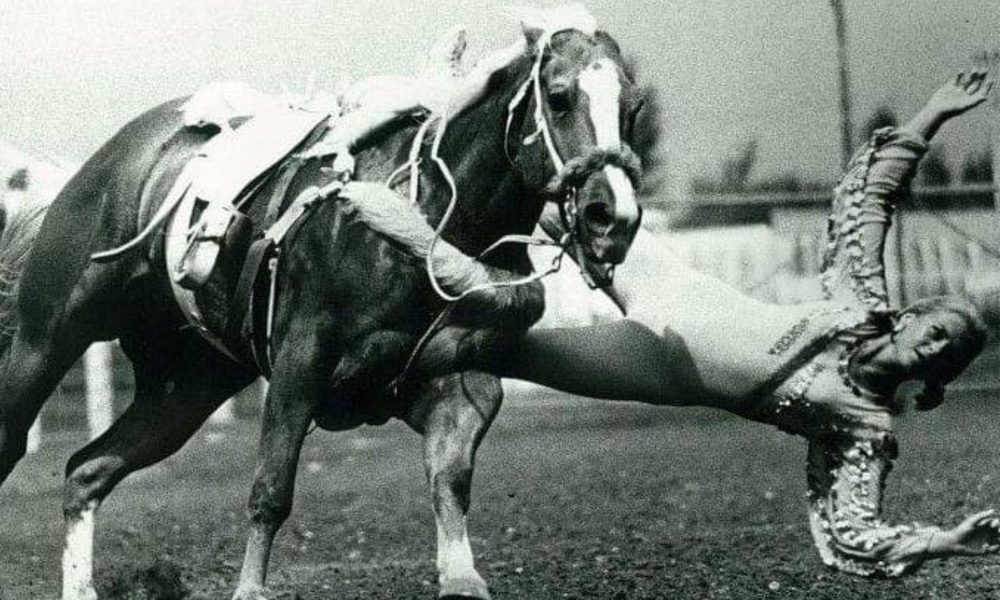
It is a philosophy Lee has spent much of her life studying. She met legendary horseman Ray Hunt in 1980, an experience she says changed the direction of her life. She continued riding with him throughout his lifetime, learning not through a formula of prescribed steps, but through becoming a better student of the horse. Even now, Lee says the horses continue to teach her.
“They’re teaching me all the time about how much less the human could do if they were better at presenting it.”
As Lee explains, the horse already knows how to move his body. He knows how to stop, turn, back, lie down, and move his feet. The responsibility of the human is not always to make those things happen, but to learn how to present an idea in a way the horse can understand and willingly follow.
“Most of us get to thinking that it takes more to get something done,” Lee says. “To think that it takes less to get something done is kind of foreign to us.”
That lesson came to life while Lee and Lizzie were working with Lizzie’s mare on backing. Lee told her that eventually the mare would become so tuned into her that she would begin backing when Lizzie simply thought about backing. Then, almost as if on cue, the mare began to back.
For Lizzie, it was one of those moments when something that had felt abstract suddenly became real. The phrase she carried home was one Lee repeated often: “a feel following a feel.” It is not about overpowering the horse. It is about recognizing what the horse is offering, becoming quieter in what you ask, and finding the place where horse and human can move together instead of against one another.
Lizzie saw the difference soon after returning home. At another clinic, riders were asked to lunge their horses. Around her, the arena grew louder as flags moved, ropes swung, and people increased pressure trying to get the response they wanted.
Lizzie looked at her young buckskin mare, Penny. Penny sighed. Lizzie sighed. Then, quietly, Lizzie put out her hand.
The mare moved around her. She stopped, backed, changed direction, loaded her hindquarters and rolled through the movement, all while the arena around them remained busy. Later, the clinician pointed toward Penny and said that of all the horses in the arena, there was one ready for the conversation.
It was hers.
Lizzie immediately texted Lee.
Perhaps the most beautiful part of this fellowship is that its impact did not end when Lizzie drove home. It barely had time to settle before she began sharing it.
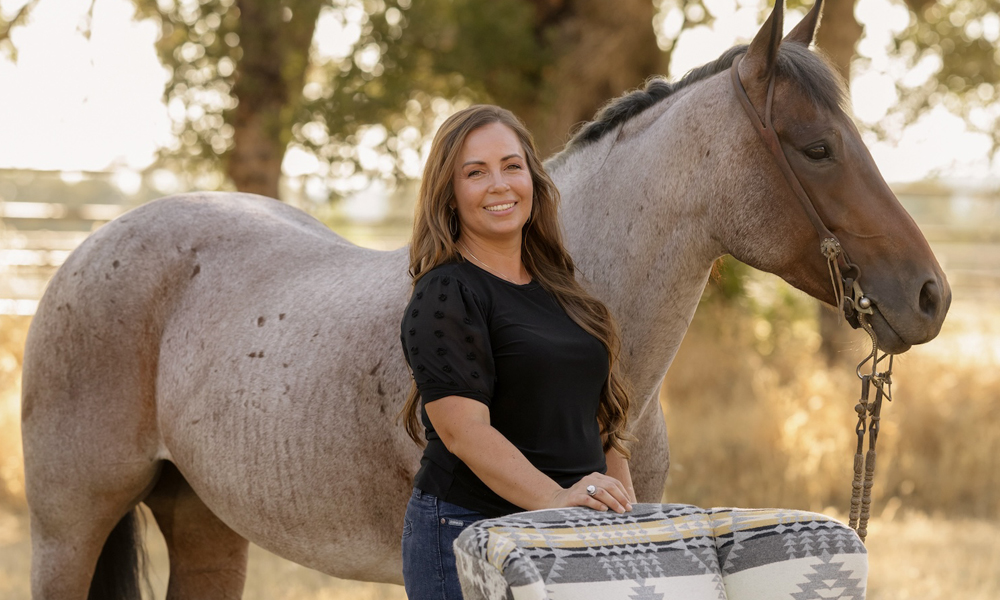
Lizzie runs Summit Valley Horse Center in Colorado, where she works with rescue organizations as a training resource for horses preparing for adoption. Community members can come to the facility to learn everything from feeding, haltering, and grooming to groundwork and riding. Her goal is not simply to help a horse find a home, but to give both horse and human enough education that the partnership has a better chance of lasting.
After returning from her fellowship, Lizzie began something new she calls Horse Owner’s Horsemanship. Once a week, local horse owners gather with her to return to the basics. They learn to feel when a horse is preparing to move a foot, back up, or turn. They learn to think beyond what they are asking and begin considering how they are asking it.
What started with one rider has already grown. Lizzie has worked with families whose children are afraid of horses but live on cattle ranches and want the confidence to ride alongside their parents. She is sharing the same small lessons Lee shared with her and watching them ripple outward through her horses, volunteers, local ranching families, and new horse owners.
“I quote you every day,” Lizzie told Lee.
For Lee, that may be one of the greatest rewards of mentorship. She remembers being the young horsewoman someone chose to help. Ray and Carolyn Hunt gave her opportunities when she needed them, allowing her into classes and giving her chances to learn because they believed helping a young horseman was an investment in the future.
Today, Lee sees the Art of the Cowgirl Fellowship in much the same way.
“It’s a good investment in the future,” Lee says. “Not my future, but in their future and in the future of people in the industry.”
And ultimately, it is an investment in the horse.
At this stage in her life, passing that knowledge forward has become increasingly important to Lee. The lessons she received from Ray Hunt were never meant to stop with her. If they are going to continue helping horses, someone has to carry them forward.
That is what makes Lizzie such a fitting recipient.
“She wants it,” Lee says. “She’s going to use it.”
And she already is.
There is something especially fitting about knowledge like this being passed down quietly. From Ray to Lee. From Lee to Lizzie. From Lizzie to a child learning to trust a horse, a new owner trying to understand one, a volunteer working with a rescue, or perhaps someday, another young horsewoman searching for a better way.
No force. No hurry. Just one person learning to listen a little more closely, then teaching another to do the same.
And somewhere in between, a horse feels heard.
Perhaps that is the real legacy of good horsemanship. Not simply what we can teach a horse to do, but what we become willing to learn from them, and what we choose to pass along when it is our turn to teach.